Agent Sign-in Error
Matt Rohrer - DYCO4 days ago3 comments
When I try to sign into Anthropic API, I get this error.

3 Comments
Thanks for reporting this, Matt. We’ve reproduced the problem. You’re using the Anthropic API-key option, which is separate from Claude subscription sign-in.
JetCad3 v2.6.0 included a compatibility fix for a problem exposed by a Windows update. An unintended side effect of that fix broke the direct API-provider connection. We had primarily qualified the Claude and Codex subscription paths rather than running the same live testing against the API-key path, so this remained unknown until your report. This is a JetCad3 regression—not a problem with your API key—and we’ll fix it soon.
In the meantime, Agent Tower supports both Claude and Codex subscriptions without paying metered API-token charges. In Settings → Agents, choose the Claude subscription option and sign in with your Claude App account. You can then use Claude directly inside Agent Tower.
You can also use Anthropic’s Claude Code harness and connect it to JetCad3 through MCP:
- Open JetCad3 and keep your project open.
- Go to Settings → Agentic MCP, enable it, and save.
- Return to that page and click Copy Claude command.
- Run the copied command in a terminal, restart Claude Code if it was already open, and use
/mcpto confirm thatjetcad3is connected. - Ask Claude to connect to your open JetCad3 project.
For normal JetCad3 agent work, there is essentially no capability downside to the MCP route. It uses the same official JetCad3 tools and native CAD/CAM operations; the conversation simply runs in Claude’s harness instead of inside Agent Tower.
Subscription access generally works out much cheaper than consuming API tokens directly. I’ve personally been able to do a significant amount of work on Claude’s $100 plan. One user told us the $20/month plan did not go as far as he expected, and both Claude and Codex appear to be changing subscription usage metering fairly often, so individual mileage varies.
Regardless, the Anthropic API option should work too. We’ve identified the regression and will get it corrected.
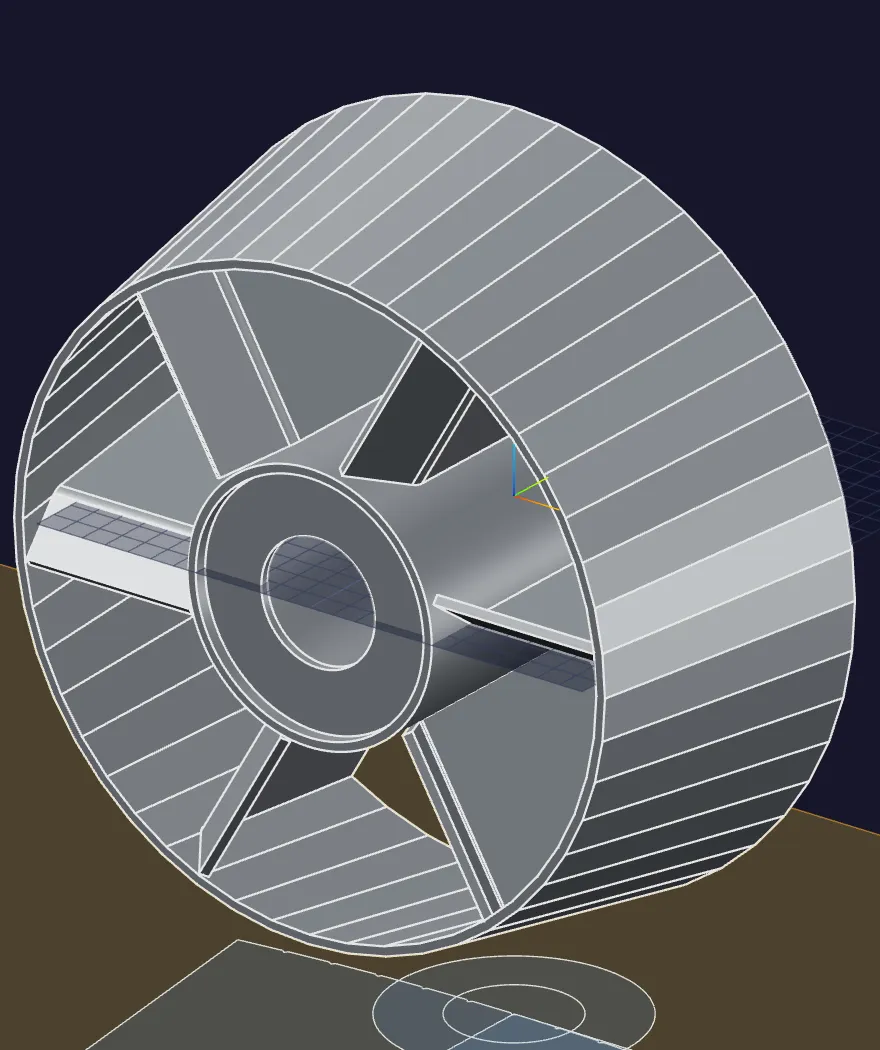
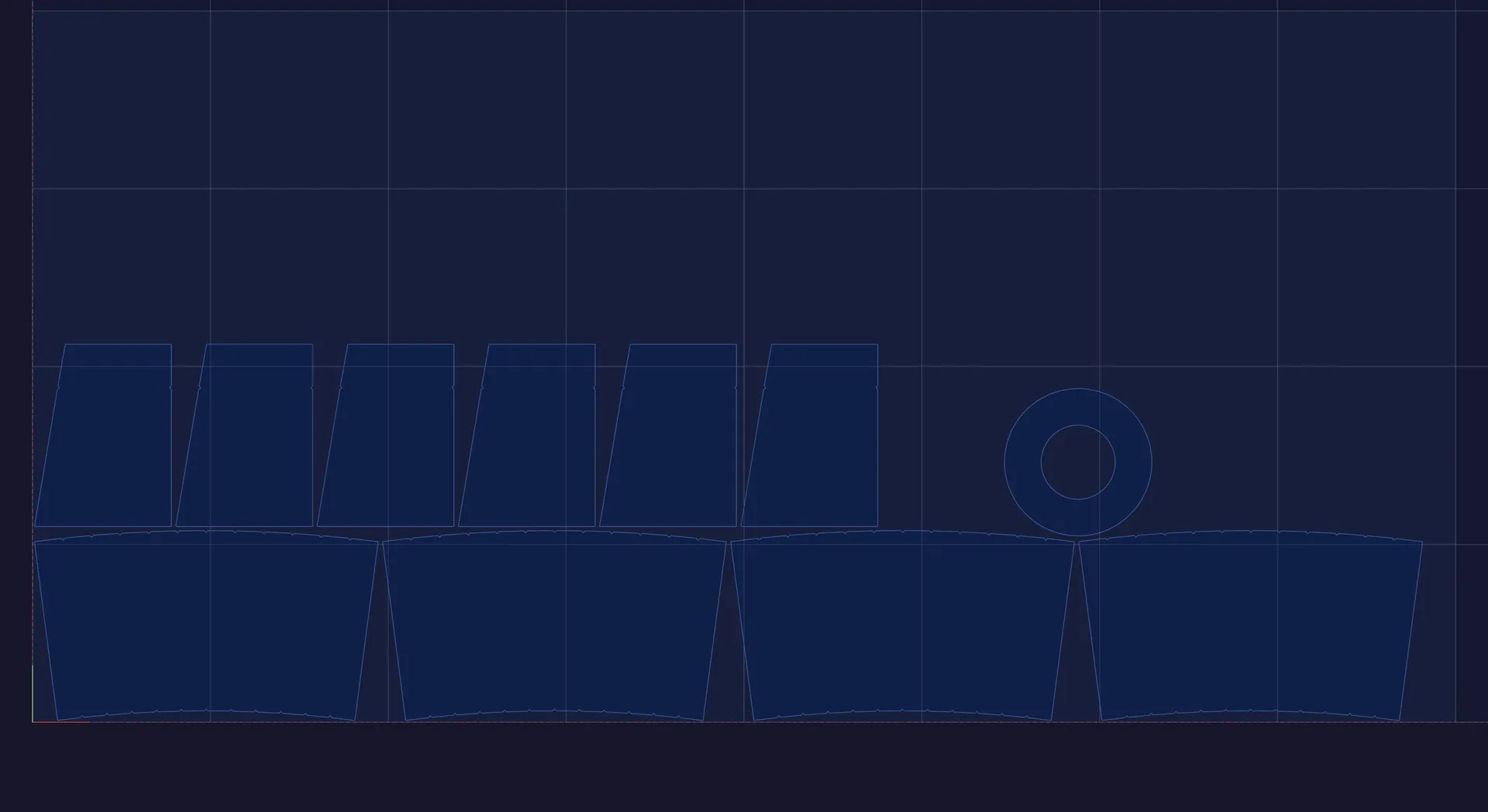
Trying to convert a .stp files into Jetcad3 format. Tried Codex/ChatGPT, but it couldn't do what I wanted. Claude blew thru it and had it converted, flattened and nested in less than 30 minutes. But it used all my daily credits from my subscription. It even added small cuts to mark the ends of my bend lines since my plasma doesn't have marking capabilities.
to
That is seriously impressive, and your experience is very close to what I’ve seen. Astra is really the first Codex model I’ve found capable of that kind of CAD work. SOL can sometimes make the cut, but only just. By comparison, Opus 5.5 has been mind-blowingly inexpensive for how capable it is. I would almost say it performs better than Astra on CAD work while consuming fewer tokens.
I’ve also seen almost no practical difference between Opus and Fable in CAD work. For this use case, Fable has mostly felt like burning tokens at a higher price without producing a meaningfully better result.
This cost problem is part of why we recently started a private research experiment called Crux. It is our own proprietary AI engine, written from scratch—not a wrapper around Claude or Codex, and not a repackaged or quantized existing model. We are training all of its weights ourselves.
The central idea is that language should be the interface, not the model’s entire internal representation. Crux is visual-first: it learns visual objects, relationships, memory, and executable skills as separate capabilities. Instead of loading one enormous model containing everything for every task, it is designed to retrieve and activate only the small set of learned capabilities needed for the current problem.
The long-term goal for CAD would be an engine that reasons directly from geometry and what it sees, then uses precise executable CAD capabilities—without repeatedly translating the entire problem into millions of metered text tokens. Ideally, its stored knowledge could continue growing while its active memory and compute requirements remain relatively small.
It is absolutely still an experiment, not a JC3 feature or a replacement for Claude today. We are doing heavy local training now, and general conversation and CAD are not solved. However, the testing so far is promising: the visual system is learning grounded scenes, and tiny independently trained specialist modules have produced substantial measurable improvements without retraining the entire core. Depending on where continued testing leads, it could become something genuinely useful.
I’d really like to hear how those parts cut and form. If that layout works as intended, what you accomplished is an excellent example of exactly where agent-driven CAD can go.
Sign in to leave a comment or vote.
Sign In